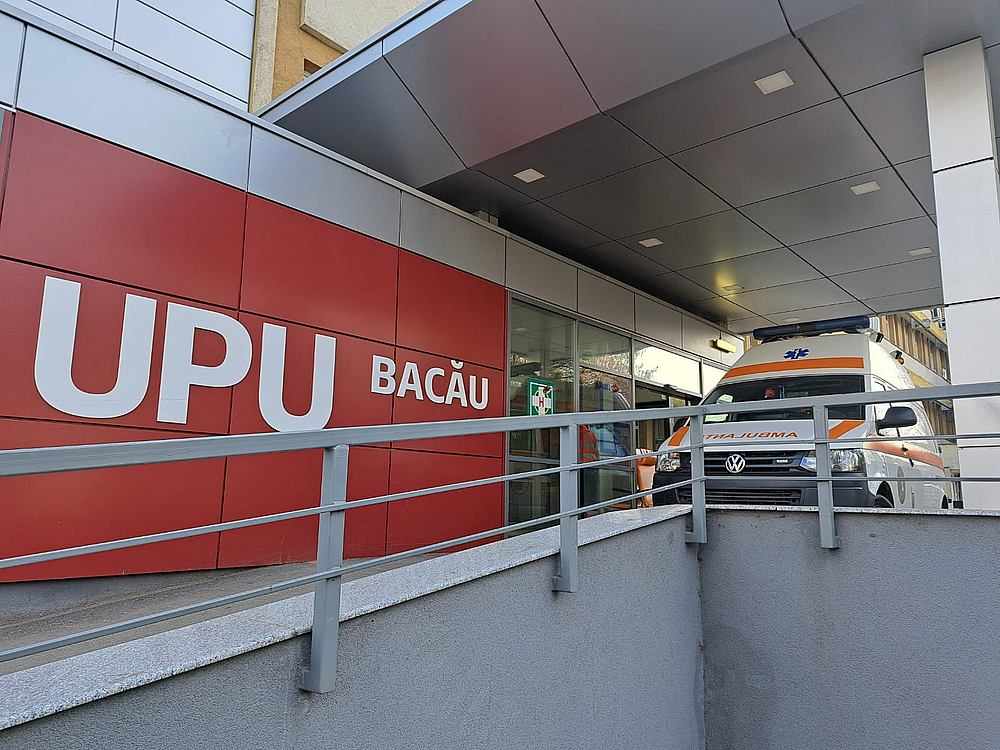
Doctors at the Bacău County Emergency Hospital in eastern Romania have successfully performed two highly complex surgical interventions on patients with advanced oral cancers, offering both women a renewed chance at life, hospital officials said.
The procedures, described by hospital management as among the most challenging carried out locally, involved multidisciplinary teams and marked a significant step forward in the institution’s surgical capabilities.
“These cases show how critical teamwork and dedication are when dealing with extreme medical situations,” hospital manager Ion-Marius Savin said in a statement, emphasizing that each patient represents “a life story and a major responsibility.”
The first case involved a 69-year-old woman in a severely fragile condition, weighing just 42 kilograms and suffering from advanced intraoral squamous cell carcinoma. Surgeons, led by oral and maxillofacial specialist Dr. Ovidiu Cristian Scovronschi, performed an extensive procedure that included partial tongue removal, radical lymph node dissection, reconstructive surgery using a pectoral flap and a tracheostomy.
Despite the high risks, the patient’s recovery exceeded expectations. She was discharged breathing normally, with healed surgical wounds and restored speech function.
The second case concerned a 49-year-old woman diagnosed with an aggressive squamous cell carcinoma that had spread to multiple areas, including the tongue, oral floor and soft palate, and was accompanied by metastatic lymph nodes and severe trismus.
The operation, described as a first of its kind in Bacău due to its complexity, involved partial removal of the tongue and pharynx, resection of parts of the upper jaw and mandible, extensive tumor clearance near the skull base, lymph node dissection, reconstructive surgery, tracheostomy and the placement of a feeding tube.
The patient has since been discharged with fully healed wounds and will undergo a lengthy recovery process, doctors said.
Both interventions required the coordinated effort of surgical teams, intensive care specialists, gastroenterologists, general surgeons and clinical nutrition experts, as well as post-operative care staff.
Dr. Scovronschi said such procedures test the limits of both medicine and human endurance, adding that “in extreme situations, the surgeon is only an instrument,” highlighting the emotional and ethical weight carried by medical teams.
Hospital officials said the outcomes underline the importance of investment in medical infrastructure and interdisciplinary collaboration, enabling patients in the region to access advanced care locally.
For the two patients and their families, the surgeries represent more than medical success—they offer hope in situations once considered nearly impossible, doctors said.