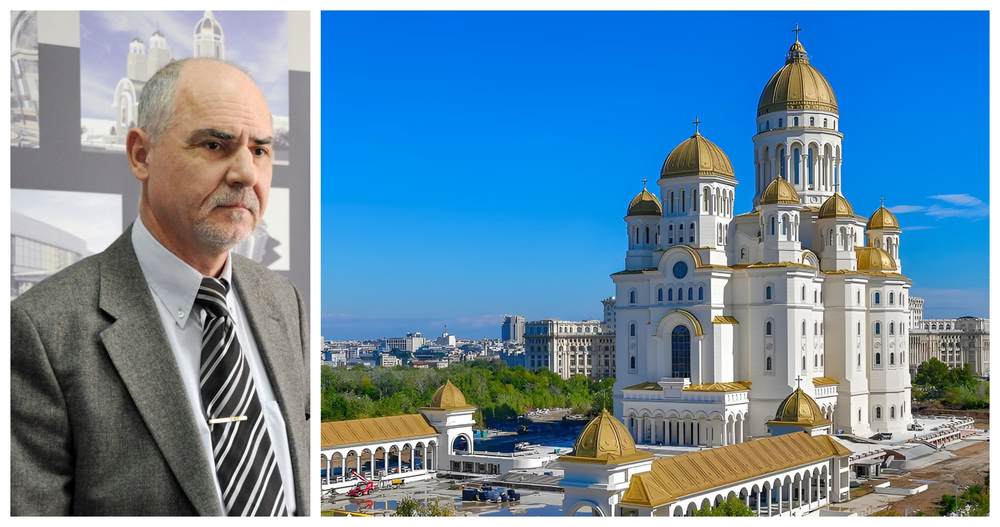
Historic Moment for Romania: National Cathedral to Be Consecrated on October 26, 2025
On October 26, 2025, Romania will witness a moment of profound national and spiritual significance — the consecration of the National Cathedral, a long-awaited symbol of faith and unity, coinciding with the centenary of the Romanian Orthodox Church’s elevation to Patriarchate status. The ceremony will be officiated by Ecumenical Patriarch Bartholomew I of Constantinople and Patriarch Daniel of Romania, in front of tens of thousands of faithful gathered both inside and outside the monumental edifice in Bucharest. The event will be broadcast live on national television and large outdoor screens.
A Vision Rooted in Sacrifice
The idea of building a national cathedral was born in 1877, after Romania’s War of Independence, when King Carol I vowed to erect a monumental church in honor of the fallen heroes. Conceived as both a spiritual and national symbol, the project survived wars, political turmoil, and decades of communist repression before being revived after 1990.
Revival and Realization
After years of proposals and delays, construction finally began in 2010, under the leadership of Patriarch Daniel. Built on 13 Septembrie Avenue, near the Palace of Parliament, the cathedral can accommodate over 5,000 worshippers and rises 120 meters high, making it one of the tallest Orthodox churches in the world. The structure combines Byzantine tradition with modern architectural elements, including mosaics, marble, and stained glass sourced and crafted in Romania.
A Modern Spiritual Landmark
Beyond its religious purpose, the National Cathedral also serves as a cultural and memorial complex, housing museums, libraries, and halls dedicated to national heroes. Equipped with cutting-edge seismic protection, acoustics, and lighting systems, the building also hosts Romania’s largest set of bells — the biggest weighing over 25 tons.
A Gift for the Nation
The consecration marks not only the completion of a 15-year construction project but also the fulfillment of a 150-year-old dream — a testament to Romania’s resilience and enduring faith. Church leaders describe it as “a gift to the entire Romanian nation and to generations yet to come.”
The Architect from Bacău
The cathedral was designed by Constantin Amâiei, a Romanian architect originally from Bacău, who also created the city’s “Ascension of the Lord” Cathedral. For many, his achievement represents a source of immense pride — proof that Romanian artistry, rooted in local craftsmanship and devotion, can give form to enduring symbols of national identity.
In a fast-moving and skeptical world, the National Cathedral stands as a reminder that faith, memory, and unity remain the enduring foundations of the Romanian spirit — a vision born from sacrifice, now reaching toward the heavens.