BACAU, Romania — Researchers from the Research and Development Station for Vegetable Growing (SCDL) in Bacau are studying the use of biomass pyrolysis products as complementary solutions to organic fertilization, with preliminary research presented at a European summit in Potsdam, Germany.
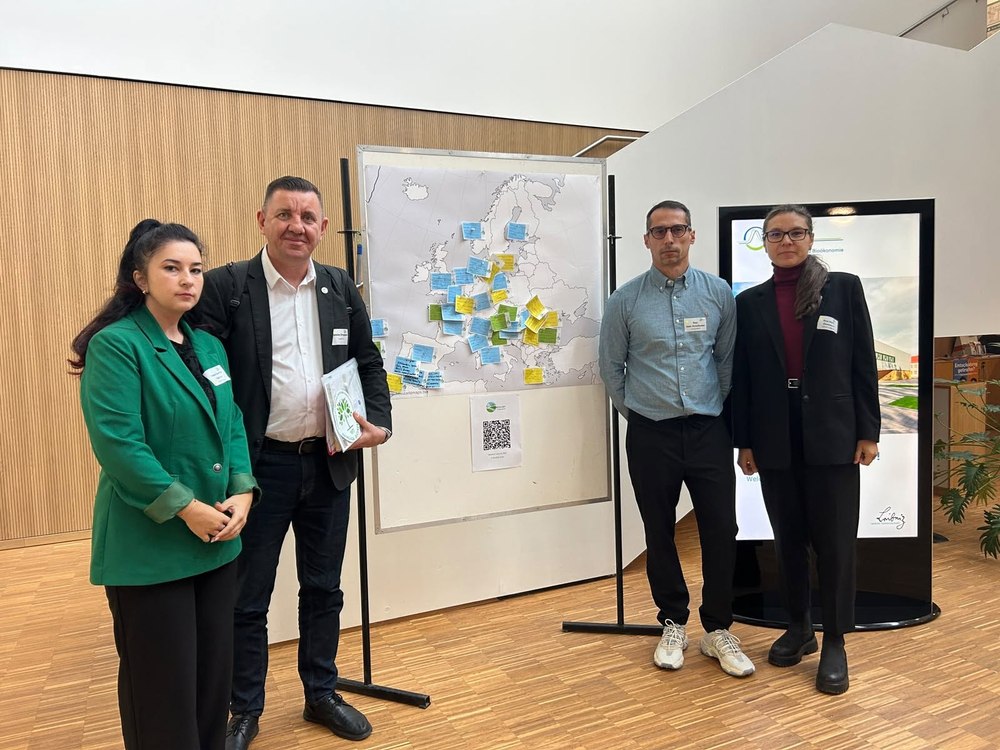
Dr. engineer Dan-Ioan Avasiloaiei, a senior scientific researcher at SCDL Bacau, represented the Romanian research station at the Agroecology Partnership summit held in Potsdam on October 5-6.
The research, entitled “Biochar and Wood Vinegar as Complementary Amendments to Organic Fertilization,” examines the potential use of biochar and wood vinegar alongside organic fertilizers in vegetable production.
Biochar is a carbon-rich material produced by heating biomass, such as wood or plant residues, under conditions of limited oxygen. When incorporated into soil, it can affect a range of soil properties, including its capacity to retain water and nutrients.
Wood vinegar, also known as pyroligneous acid, is a liquid fraction obtained during the pyrolysis of biomass. Despite its name, it is not a food product, but a mixture of organic compounds generated during the thermal decomposition process.
The use of both products is linked to the principles of the circular economy, as pyrolysis can provide a way of valorizing organic materials that might otherwise become waste.
Trials on tomatoes and bell peppers
The SCDL Bacau research focused on the effects of biochar and wood vinegar on the growth, productivity and bioactive quality of tomato and bell pepper crops grown under protected conditions.
Researchers also compared the results under two different soil management systems.
The study forms part of the research directions pursued through Leg(O)Nest, a research center currently being developed within SCDL Bacau.
The research station’s participation in the Potsdam summit provided an opportunity to present the Romanian team’s work within a broader European discussion on agroecological practices, sustainable soil management and the development of more circular agricultural production systems.