
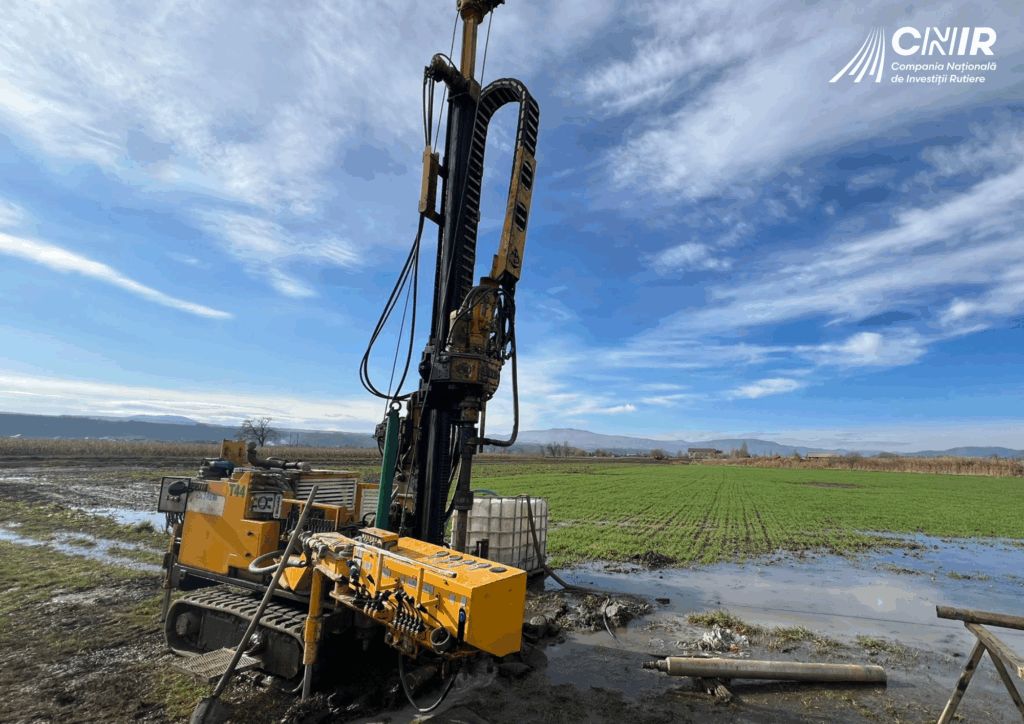
Specialized teams are carrying out archaeological surveys and field investigations in Bacau County as part of preparations for the Brasov–Bacau (A13) motorway, and landowners along the project corridor are legally required to grant them access, according to a public notice.
The notice was issued as part of the work on the feasibility study for the national road infrastructure project, coordinated by the National Company for Road Investments (CNIR).
Residents, owners and holders of land in localities along the future motorway’s route have been informed of the works. The investigations aim to identify and document any archaeological remains and sites along the planned route, and to collect samples needed for the project’s technical documentation.
Under the notice, anyone holding property on the project corridor, regardless of the type of title, is legally obliged to allow access for personnel and equipment conducting the field studies. The activities are preliminary to the design and construction of the motorway and may include archaeological test pits and other land investigations. The works must comply with technical and environmental standards, the notice said.
The surveyed land must be restored to its original condition immediately after the works are completed and samples are taken, including backfilling the test pits and restoring the topsoil.
Where the investigations cause real and demonstrated material damage to planted crops, owners are legally entitled to compensation from the project beneficiary.
The Brasov–Bacau motorway is one of Romania’s major road infrastructure projects and is intended to link the Moldova region with Transylvania across the Carpathian Mountains.
Archaeological investigations and field studies are required before the project’s technical documentation can advance. Identifying potential archaeological sites early allows them to be included in the motorway documentation and protective measures to be set out for heritage preservation.