The Bacau Blood Transfusion Centre registered 3,003 donors in July, August and September, a result that exceeded management’s expectations and puts the institution on track to reach its goal of more than 11,000 donors by the end of the year.
Summer, with its holidays and leave periods, is usually a difficult season for blood transfusion centres. In Bacau, however, donor turnout held up this year even without large-scale special campaigns, according to figures released by the centre.
On busy days, 70 to 80 people came in to donate. Most were local residents who chose to donate on their own initiative, while in some cases relatives and friends of patients in need of blood rallied to the centre. None of the three months fell below 950 donors.
Centre director Adriana Ghinda said donor attendance follows a relatively steady pace, helped in part by the benefits granted to donors, including the day off work provided by law, which some use to extend their weekend. Attendance tends to be somewhat lower on Mondays and Tuesdays and higher on Fridays, while periods around holidays, especially Easter, can also bring more donors.
Combined with the 5,645 donors reported in the first half of the year, the third-quarter figure brings the total for the first nine months of 2026 to 8,648. To surpass 11,000 donors for the full year, the centre would need at least 2,353 more donations in the final quarter.
Medical staff stressed that showing up at the centre does not automatically mean a person can donate. Each candidate undergoes a medical assessment and biological checks designed to protect both donor and recipient. Anaemia, low haemoglobin or other health problems can lead to a deferral. On one day when 78 people came to the centre, eight could not donate for various medical reasons.
Staff urged donors not to see a deferral as a failure, noting that safety comes first and that low haemoglobin may require investigating the cause and, where needed, correcting an iron deficiency before returning.
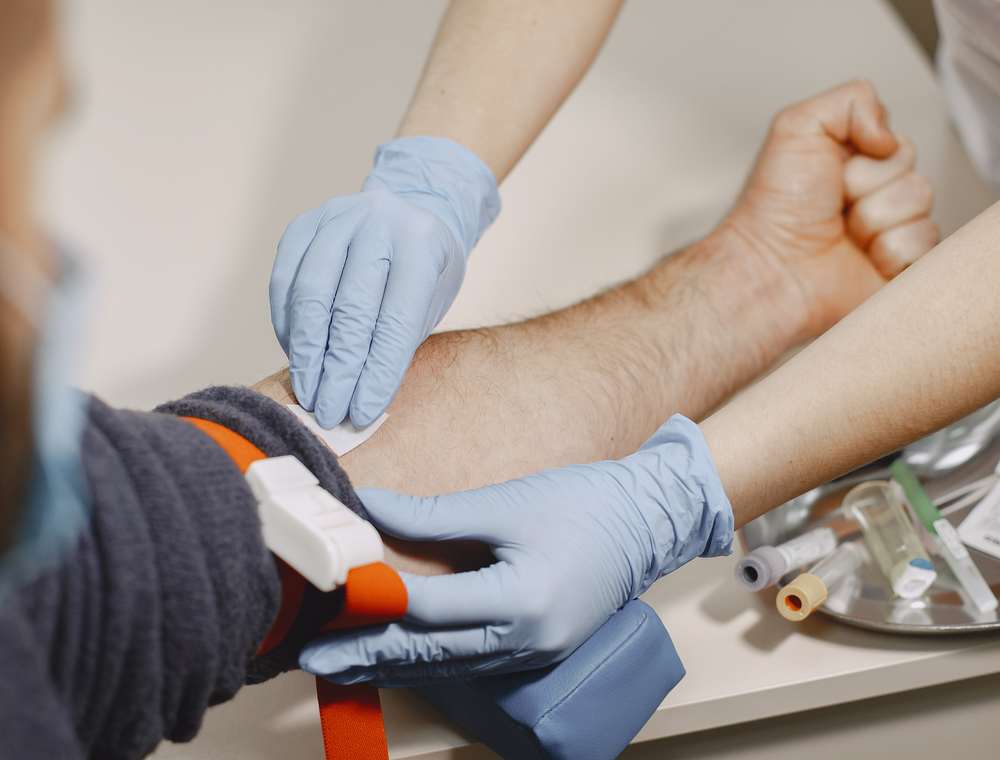
A whole blood donation involves collecting about 450 millilitres. According to the National Blood Transfusion Institute, the usual minimum interval between two whole blood donations is eight weeks, with limits on the number of donations per year.
As the cold season sets in, recommendations for donors remain largely unchanged: good health, proper hydration, adequate food and no alcohol before donation. Coffee consumed in moderation is not in itself a reason for exclusion, Ghinda said, but it should not replace water. People who feel unwell or show symptoms of illness should not attempt to donate.
Blood and blood components are needed constantly in hospitals for surgery patients, accident victims and people undergoing complex treatments or suffering from serious illnesses, a need that does not depend on the season or on campaigns.